
Key Takeaways
- Minky fabric is a popular choice for baby blankets because its ultra-fine polyester fibers create a soft, low-friction surface that is gentle on newborn skin while resisting common allergens.
- Minky holds up through frequent washing, which matters for parents who need baby gear that can survive daily spit-ups, diaper leaks, and constant laundering without losing its plush feel.
- Looking for an OEKO-TEX Standard 100 certification can help parents confirm a minky blanket has been tested for a wide range of potentially harmful substances, with especially strict limits applied to products made for babies and young children up to 36 months old.
- Safe sleep guidelines still apply to minky blankets: pediatric guidance recommends waiting until at least 12 months before adding a thin blanket to a crib, with pillows and stuffed animals also saved for after the first birthday.
- Washing instructions matter more than most parents expect – the wrong detergent or dryer setting can quietly strip away the softness that made the blanket special in the first place.
Bringing home a newborn comes with a long list of firsts, and picking out that first special blanket is one of the more joyful decisions on the list. Walk through any baby registry or boutique shelf and minky fabric shows up again and again, from swaddles to crib sheets to the kind of blanket a baby ends up dragging around for years. Understanding what makes this fabric different helps first-time parents choose gear that feels good, holds up, and suits a baby’s sensitive skin.
What Makes Minky Fabric Special
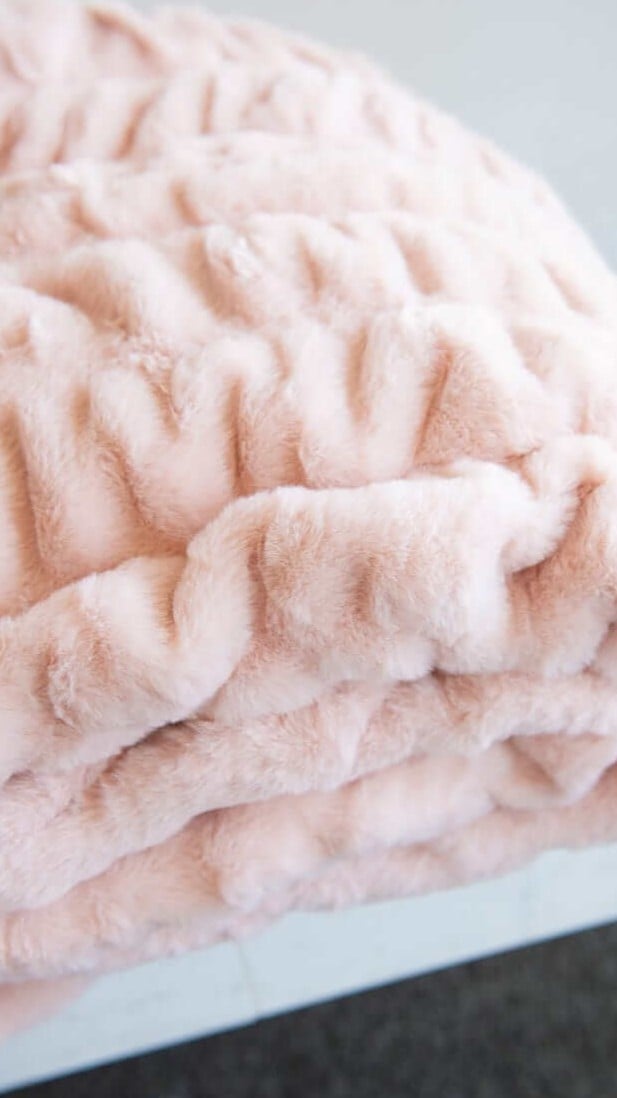
Minky fabric is a knit textile made almost entirely from polyester fibers, spun into ultra-fine strands and brushed into a dense, velvety pile. “The name comes from its resemblance to mink fur, though nothing about the fabric involves animal products. It is a fully synthetic creation built through careful fiber selection, yarn spinning, and a knitting process that gives it a signature stretch and drape,” said a spokesperson for Minky Couture, which recently released its Dallas Cowboys-inspired minky blanket collection. “That knit construction sets minky apart from woven fabrics like flannel, giving it a softer hand feel and a bit of give that many parents notice right away when they pick up a blanket in the store.”
Manufacturers produce several versions of this fabric, including smooth minky, dot or “dimple” minky with raised texture, sherpa-style and double-sided versions for extra warmth, and printed or embossed patterns for a decorative touch. Some makers also pair minky with cotton, using the plush fabric on the inner side for comfort and a printed cotton layer on the outside for pattern and breathability. Minky Couture offers an extensive selection of blankets built around this fabric, which continues to appeal to parents searching for something that feels as good as it looks.
The Softness Babies Love
Softness is the first thing anyone notices about a minky blanket, and it is also the main reason the fabric became a nursery staple in the first place. A baby’s skin is thinner and more reactive than an adult’s, so the texture of everyday fabric matters for comfort, not just appearance.
Ultra-Fine Polyester Fibers Behind the Feel
The plush quality of minky comes down to the microfiber technology used to create it. Manufacturers melt high-grade polyester and extrude it into extremely fine filaments, far thinner than standard fibers, then spin those filaments into yarn before knitting them into a dense pile. This process gives minky its silky, almost liquid-smooth surface, and the fabric often feels noticeably softer than standard fleece, which tends to have a cozier but fuzzier texture by comparison. Brushing and raising techniques lift and separate the fibers further during manufacturing, building the velvety nap that makes minky recognizable by touch alone.
Minimal Friction for Sensitive Skin
Beyond how it feels in the hands, minky’s plush pile creates minimal friction against a baby’s skin, which matters more than it might seem. Newborn skin is prone to redness and irritation from rough or scratchy textures, and minky’s smooth surface is a common recommendation for babies dealing with sensitive skin. Less friction during swaddling, tummy time, or stroller naps means fewer chances for chafing, which is a small but meaningful detail for parents managing a baby’s first few months.
Hypoallergenic Properties Parents Trust
Allergy concerns rank high on the list of worries for new parents, and fabric choice plays a bigger role in that conversation than many people realize. Minky’s synthetic composition gives it a natural advantage here, since polyester does not provide the same environment that supports allergen buildup the way some natural fibers can.
Resisting Allergens, Dust Mites, and Mold
Minky fabric is generally considered low-risk for allergies because polyester fibers do not naturally support mold growth, dust mites, or common allergens as easily as some natural materials, though no fabric can be guaranteed completely hypoallergenic for every individual. This makes minky a practical option for nurseries, where blankets, swaddles, crib sheets, burp cloths, and nursing covers all see constant contact with a baby’s face and hands. For parents managing a family history of allergies or simply wanting one less thing to worry about, this resistance to allergen buildup offers real peace of mind.
Safety Certifications to Look For
Not all minky fabric is produced to the same standard, so knowing what to look for on a label can make shopping easier. A few points worth checking:
- OEKO-TEX Standard 100 certification – this testing standard checks fabric for a wide range of potentially harmful substances, and products made for babies and young children up to 36 months old are held to especially strict limit values.
- High-quality, brand-name sourcing – fabric from manufacturers with established production standards tends to show better colorfastness and fiber stability over time.
- A first wash before use – washing new minky products with a fragrance-free baby detergent before a baby’s first use helps remove any manufacturing residue and softens the fibers further.
Built to Last Through Baby Messes
Newborn life involves a steady stream of spit-up, diaper blowouts, and spilled bottles, so durability matters when choosing baby gear. High-quality minky fabric resists pilling and holds its shape, color, and softness even after frequent washing, which is exactly the kind of wear a baby blanket needs to survive during the first year and beyond. The microfibers in minky also naturally resist liquid absorption and staining, so spills tend to wipe away or wash out more easily than they would on some natural-fiber alternatives.
Minky also strikes a practical balance between warmth and weight. The fabric traps air between its fibers to provide insulation without adding bulk, so a baby stays warm without overheating, and the material remains breathable enough for use across different seasons. That combination of comfort and resilience helps explain why minky shows up so often in long-lasting nursery staples rather than one-season novelty items.
Washing Minky Without Losing Its Plushness
Caring for a minky blanket is simple once the basics are clear, though a few habits make a noticeable difference in how long that plush feel sticks around. Minky is machine-washable and dries quickly, and it resists wrinkling, which makes it a realistic choice for the kind of laundry marathon that comes with a new baby.
A few care habits help preserve the fabric’s texture over time:
- Wash in cold water on a gentle cycle to protect the fiber structure.
- Skip the fabric softener, since it coats the fibers and flattens the plush texture over repeated washes.
- Dry on low heat or air dry when possible – any heat can increase static and reduce softness slightly, and high temperatures can shrink or distort the fabric.
- Avoid overloading the washer, which gives the blanket room to move and rinse cleanly.
Following these steps helps a minky blanket keep its signature softness through the countless washes that come with a growing family.
Sensory Benefits and Safe Sleep Practices
Beyond comfort and practicality, minky fabric provides a sensory dimension that parents and caregivers often notice during quiet moments with a baby. Texture plays a real role in how infants interact with and settle, which is part of why this fabric shows up so often in nursery products beyond blankets alone.
Tactile Stimulation and Calming Texture
The raised dot patterns found on many minky blankets give babies something gentle to touch and experience, supporting early sensory development and natural curiosity. Some minky blankets are also designed with deeper pressure stimulation in mind, a texture-and-weight combination that can help calm the nervous system and support settling during fussy moments. This tactile quality is one reason minky blankets often become a baby’s favorite comfort object well past the newborn stage.
Choosing Sleep Sacks Over Loose Blankets in the Crib
Sensory comfort matters, but safe sleep guidelines still come first. Pediatric sleep guidance recommends waiting until a baby is at least 12 months old before adding a thin blanket to the crib, and saving pillows and stuffed animals for after the first birthday as well, to reduce the risk of suffocation. That guidance applies to minky just as it does to any plush fabric, regardless of how soft or breathable it feels. For sleep time, a wearable sleep sack is the safer choice, while a minky blanket is best reserved for supervised snuggle time, tummy time, stroller rides, or car seat use – moments when a caregiver is present and the blanket is not left loose in the sleep space.
The Takeaway for New Parents
Minky fabric earns its popularity in the nursery for practical reasons: it feels gentle against a baby’s skin, resists common allergens, survives the mess and mayhem of early parenthood, and holds onto its plush texture wash after wash. Looking for certifications like OEKO-TEX Standard 100, following simple cold-water care routines, and saving plush blankets for supervised moments rather than crib sleep helps parents get the most out of this fabric while keeping safety front and center.
For parents ready to pick out that first special blanket, a soft, well-made option like Minky Couture’s collection provides a practical starting point for everyday comfort and gifting alike.
Minky Couture
475 Depot Drive
Ogden
UT
84404
United States


