SLIDELL, LA, UNITED STATES, June 19, 2026 /EINPresswire.com/ — Indoor air quality has become an increasingly important topic for homeowners, business owners, and facility managers seeking to create comfortable and healthy indoor environments. While heating and cooling systems are often associated with temperature control, modern air quality technologies are designed to address a variety of airborne contaminants that can affect indoor spaces.
Many people spend a significant portion of each day indoors, whether at home, at work, in schools, or in commercial facilities. As a result, the quality of indoor air can have a meaningful impact on comfort, cleanliness, and overall indoor environmental conditions.
Air quality systems are designed to work alongside heating, ventilation, and air conditioning systems to help manage airborne particles, humidity levels, odors, and other contaminants. These technologies have become more common as awareness of indoor environmental factors continues to grow.
One of the primary concerns related to indoor air quality is the presence of airborne particles. Dust, pollen, pet dander, mold spores, and other microscopic particles can circulate throughout a building’s air supply. Air filtration systems are designed to capture many of these particles before they continue moving through occupied spaces.
Filtration technology varies widely depending on the application. Standard HVAC filters provide a basic level of particle removal, while higher-efficiency filtration systems are capable of capturing smaller contaminants. The selection of filtration equipment often depends on building size, occupancy levels, and specific environmental considerations.
Humidity control represents another important component of indoor air quality management. Excessive humidity can contribute to conditions that encourage mold growth and create an uncomfortable indoor environment. In regions such as Louisiana and Mississippi, where humidity levels are frequently elevated, moisture management often plays a significant role in maintaining indoor comfort.
Conversely, air that becomes too dry can also create challenges, particularly during cooler months or in climate-controlled environments. Balancing humidity levels helps support a more stable indoor atmosphere and can contribute to the performance of HVAC systems.
Ventilation systems also play a critical role in maintaining indoor air quality. Modern buildings are often constructed with energy efficiency in mind, resulting in tighter building envelopes that limit the exchange of outdoor and indoor air. While energy efficiency provides benefits, adequate ventilation remains important for introducing fresh air and reducing the accumulation of indoor pollutants.
Mechanical ventilation systems can help facilitate controlled air exchange while maintaining overall system efficiency. These systems are often integrated into broader HVAC designs to support indoor environmental quality.
Air purification technologies have also gained attention in recent years. Various systems utilize ultraviolet light, ionization technologies, or other purification methods designed to address airborne contaminants. These technologies are often installed as supplemental components within HVAC systems and may be used in residential, commercial, healthcare, and educational settings.
Odor management is another consideration in indoor environments. Cooking odors, pet-related odors, cleaning products, and other sources can affect indoor air quality perceptions. Certain filtration and purification technologies are designed to help reduce odor-causing particles and compounds within occupied spaces.
Commercial buildings face unique air quality challenges due to larger occupancy levels and varying operational requirements. Office buildings, medical facilities, retail centers, schools, and industrial properties often require customized approaches to indoor air quality management based on building usage and occupant needs.
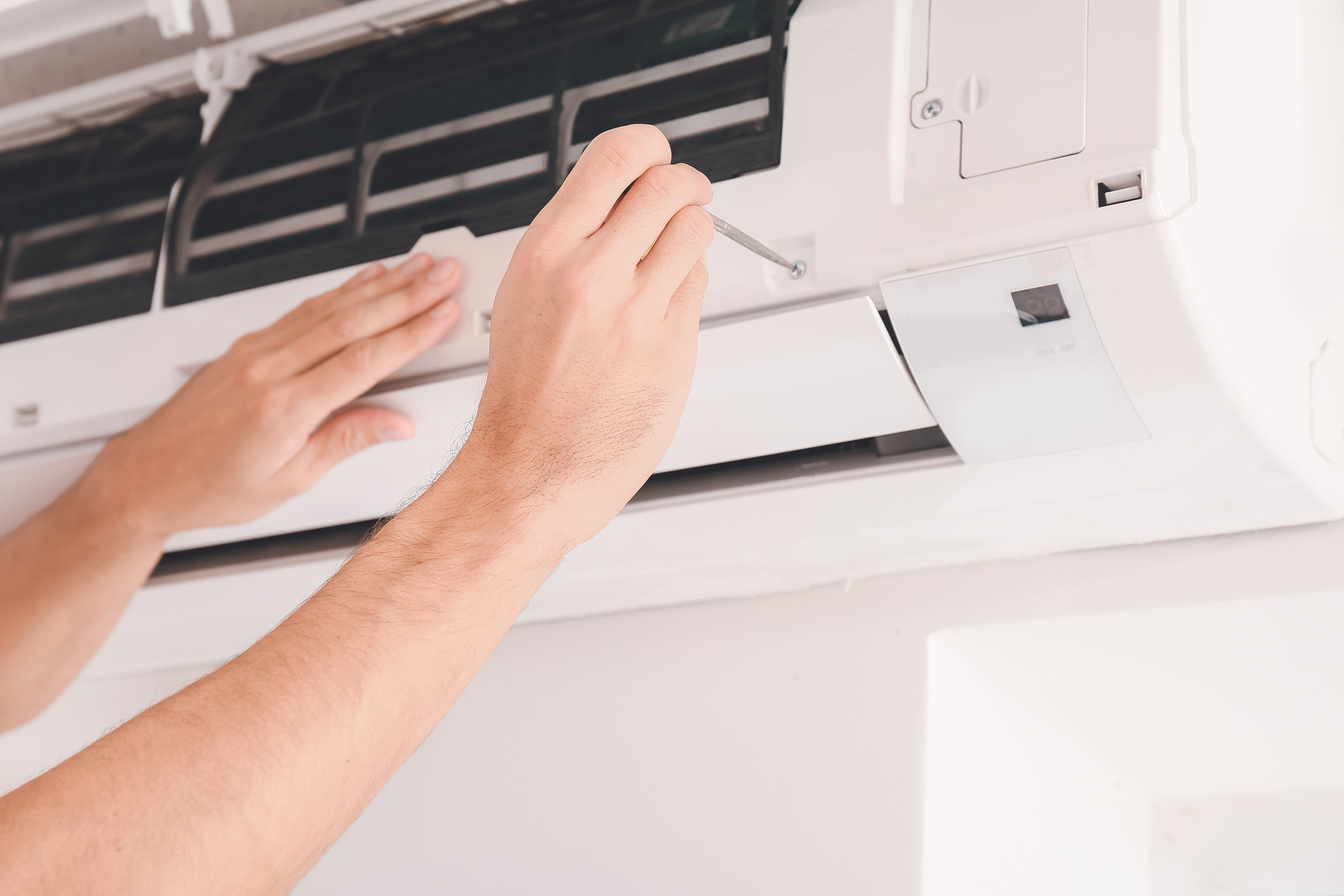
Routine HVAC maintenance also contributes significantly to indoor air quality. Dirty filters, clogged coils, blocked drainage systems, and neglected equipment can affect airflow and system performance. Regular maintenance helps support efficient operation while reducing the likelihood of conditions that may negatively impact indoor air quality.
Seasonal changes can influence indoor environmental conditions as well. Pollen levels, outdoor humidity, weather events, and fluctuating temperatures all have the potential to affect indoor air quality. Air quality systems are often designed to adapt to changing environmental conditions throughout the year.
Technological advancements continue to expand the range of available air quality solutions. Smart sensors and monitoring devices can now track indoor conditions and provide data related to temperature, humidity, airborne particles, and other environmental factors. These systems allow building operators and property owners to make informed decisions regarding indoor environmental management.
“Indoor air quality involves much more than heating and cooling,” said Jennifer Lingo with LOUMIS Air, which serves customers across multiple locations in Louisiana and Mississippi. “Filtration, humidity control, ventilation, and air purification systems all contribute to creating indoor environments that support comfort and cleaner air circulation.”
Awareness of indoor air quality has increased across residential and commercial sectors alike. Property owners are increasingly evaluating air quality solutions as part of broader building maintenance and improvement strategies. Whether addressing airborne particles, moisture control, ventilation, or purification needs, modern air quality systems offer multiple approaches for supporting indoor environmental goals.
As buildings continue evolving to meet modern efficiency standards and occupant expectations, indoor air quality technologies remain an important component of overall building performance. Through filtration, ventilation, humidity management, and purification strategies, these systems contribute to cleaner and healthier indoor environments across a wide range of applications.
About LOUMIS Air
LOUMIS Air provides HVAC services, indoor air quality solutions, heating and cooling system support, maintenance, and related services through multiple locations serving communities throughout Louisiana and Mississippi.
Morgan Thomas
Rhino Digital, LLC
+1 504-875-5036
email us here
Visit us on social media:
Facebook
Legal Disclaimer:
EIN Presswire provides this news content “as is” without warranty of any kind. We do not accept any responsibility or liability
for the accuracy, content, images, videos, licenses, completeness, legality, or reliability of the information contained in this
article. If you have any complaints or copyright issues related to this article, kindly contact the author above.

Media gallery