Originally Posted On: https://ikippahs.com/blogs/jewish-style/inside-the-skullcap-yarmulke-market-s-shift-toward-playful-prints
Key Takeaways
- Understand the skullcap yarmulke search split: buyers use “skullcap,” “kippah,” and “yarmulke” differently, and the wording shapes what shows up first in search results.
- Compare materials before buying: linen, suede, cotton, and velvet each change how a kippah feels, sits, and wears through a full day.
- Focus on fit and grip: flat, dome, srugot, and other kippah shapes can look close online but wear very differently once they’re on the head.
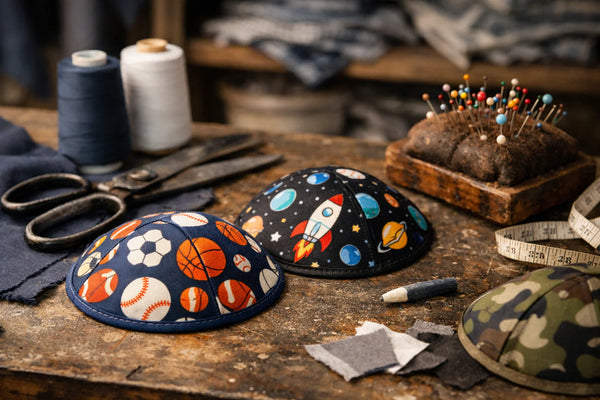
- Watch how playful prints are winning repeat orders: bulk, custom, and sale shoppers are gravitating toward patterned skullcap yarmulke styles for school, gifts, and events.
- Read product details closely: stitching, lining, brim, and sizing notes tell shoppers far more than a quick photo on Amazon or a marketplace listing.
- Separate style from practice: the skullcap worn by Jews carries different meanings in daily wear, synagogue use, and non-Jewish settings, so context matters as much as design.
A skullcap yarmulke isn’t a sleepy little add-on anymore.
Shoppers are looking harder, clicking faster, and choosing based on print, fit, and feel — not just tradition. The big shift is plain to see: a black velvet cap still sells, but playful patterns, brighter colors, and easy-wear builds are pulling more attention from men who want something they’ll actually keep on all day.
That’s where the market gets interesting. A buyer isn’t just asking for a kippah or a yarmulke; he’s comparing linen against suede, flat against dome, subtle against bold, and wondering whether the piece works for synagogue, school, work, or a gift that won’t end up in a drawer. The honest answer is that style now matters as much as custom, and in some cases it matters more. Even the search terms tell the story — bulk, sale, logo, origin, plaid, srugot, and other oddball comparisons from the wider world keep showing up because shoppers want language that matches how they actually shop.
Skullcap yarmulke basics: what buyers are actually comparing before they click buy
Is it skullcap or kippah? The honest answer: shoppers use both, and that’s why a Skullcap Yarmulke listing has to speak both languages at once. The same item can show up as Jewish yarmulke skullcap, yarmulke head covering, or even a skullcap yarmulke for sale, and the buyer is usually sorting by fabric, fit, and occasion before anything else. Short version. People don’t want jargon; they want the right cap.
Is there a difference between kippah and yarmulke? Not in the object itself. The difference is usage, search habit, and, yes, a bit of family vocabulary. A traditional skullcap yarmulke may sound more formal, while a velvet skullcap yarmulke or satin skullcap yarmulke signals texture and dress level. That’s why bulk buyers, parents, and guys shopping for a black skullcap yarmulke all land on the same product page with different expectations.
What the skullcap worn by Jews signals in everyday wear, synagogue use, and dress codes
What is a yarmulke skullcap? It’s a small head covering with real meaning. For prayer, for work, for school, the signal changes a little. A skullcap yarmulke for prayer reads one way; a custom skullcap yarmulke with a logo reads another. Same shape. Different message.
- For daily wear: lightweight cotton or linen.
- For dressier use: velvet or suede.
- For kids: boys skullcap yarmulke styles that stay put.
How does a kippah stay on your head? Fit matters more than hype. A good men’s skullcap yarmulke should sit low, grip without pinching, and hold through a full service. Buyers comparing yarmulke vs skullcap, or searching skullcap yarmulke difference explained, usually want one thing: a piece that feels right the second it goes on. iKIPPAHS gets that. Skipped fluff. Real wearability.
For shoppers ready to buy yarmulke skullcap online, the practical filter is simple: style, fabric, and whether the piece works with the rest of the outfit. That’s the whole game.
Let that sink in for a moment.
Why playful prints are outselling plain kippot for daily wear, school, and gifts
Playful prints are winning. That shift shows up in school orders, family gifts, and everyday wear, and it’s not hard to see why: a Skullcap Yarmulke that feels personal gets worn more often.
The old split was simple. Plain black stayed formal, while plaid, logo, and character prints handled the rest. Now the line’s blurrier, because buyers want one piece that works for prayer, class, and a quick weekday outfit. Jewish yarmulke skullcap shoppers are comparing more than color. They’re comparing comfort, mood, and how the piece sits under a hat or helmet.
Material changes the feel fast. Linen reads light and casual, suede feels more grounded, and a velvet skullcap yarmulke still holds its place for dressier moments. The same logic drives yarmulke vs skullcap searches, because people want the skullcap yarmulke difference explained before they buy. A traditional skullcap yarmulke can still be the right call, but a printed one usually gets more repeat wear.
Bulk orders, sale pages, and custom runs: why prints win for families, schools, and events
Bulk buyers love prints because they solve a real problem.
One order can cover a class, a bar mitzvah, or a gift table, and a custom skullcap yarmulke with a logo or theme feels intentional instead of generic. Search behavior backs that up: people look for black skullcap yarmulke, boys skullcap yarmulke, and velvet skullcap yarmulke options right before they check the sale page.
For shoppers trying to buy yarmulke skullcap online, the best listings are direct: fit, fabric, and photos on real heads. A men’s skullcap yarmulke for work may be plain; a skullcap yarmulke for prayer might stay classic; and a satin skullcap yarmulke can work for events that need a little shine. That’s the market now. Prints aren’t replacing tradition. They’re giving it more range. The best sellers know it.
Most people skip this part. They shouldn’t.
For anyone asking what is a yarmulke skullcap, the short answer is simple: it’s a yarmulke head covering with style choices that now run from basic to bold. And for readers tracking the shelf, iKIPPAHS has shown how fast that shift can move.
The product details that matter most in the skullcap yarmulke market right now
A guy grabs two options before minyan. One slips back by the second line, the other stays put and feels right all day. That’s the Skullcap Yarmulke test in real life.
Shoppers don’t need poetry. They need the brim, the fit, and the shape to match the job. A flat srugot sits differently than a dome, and the edge finish matters just as much as the look. That’s why terms like yarmulke vs skullcap still matter, along with skullcap yarmulke difference explained for buyers comparing styles fast.
Brim, fit, and shape: flat, dome, srugot, and other variations buyers notice fast
The honest answer is that shape tells you more than the photo does. A black skullcap yarmulke usually signals a cleaner, more formal read, while a men’s skullcap yarmulke with a deeper dome tends to sit better for long wear. Buyers searching what is a yarmulke skullcap or yarmulke head covering are usually trying to sort style from function.
For prayer, a skullcap yarmulke for prayer should grip without pinching, and that’s where the small details show up: stitching, lining, and a bit of structure. skullcap yarmulke for sale, custom skullcap yarmulke, and satin skullcap yarmulke all point to the same question—does it stay on, or doesn’t it?
Not complicated — just easy to overlook.
Everyday materials that hold up: linen, suede, cotton, velvet, and mixed builds
In practice, linen, suede, cotton, and velvet solve different problems. Linen breathes better, suede adds texture, and a velvet skullcap yarmulke reads dressier without looking stiff. For school, a boys skullcap yarmulke in cotton with a modest grip usually beats a slicker build.
That’s also why buy yarmulke skullcap online shoppers check the product description twice. They want sizing, lining, and whether the piece is a traditional skullcap yarmulke or a lighter hybrid. A Jewish yarmulke skullcap that feels right in hand usually gets worn more, and that’s the whole point.
iKIPPAHS keeps winning here because the details are plain and useful, not dressed up.
How fashion labels, resale culture, and online shopping habits changed kippah buying
Write this section as if explaining to a smart friend over coffee — casual but accurate and specific. The Skullcap Yarmulke market didn’t stay locked in the old “just black velvet” lane. Shoppers now compare a yarmulke vs skullcap, then look for fit, fabric, and whether the piece reads as a yarmulke head covering that works for synagogue, school, or work. That shift pushed searches like Jewish yarmulke skullcap and skullcap yarmulke for sale up alongside resale terms such as sale, bulk, logo, and custom.
What most people miss: shoppers don’t just want tradition, they want a story. A traditional skullcap yarmulke still sells, but so do a velvet skullcap yarmulke, satin skullcap yarmulke, and black skullcap yarmulke that feel sharper with a kurta, kurtis, or even a clean casual jacket. That’s why the search mix now includes srugot, plaid, suede, and even outsider terms like topi, peci, pakol, and kippot.
From amazon search behavior to niche Judaica stores: what shoppers expect now
Online buyers want speed, photos, and proof. They’ll buy yarmulke skullcap online only after checking a skullcap yarmulke difference explained page, reading reviews, and comparing origin cues — is it a simple daily piece or a skullcap yarmulke for prayer? In practice, niche stores win when they show material, brim shape, and fit details, not just a pretty image.
That’s also why boys skullcap yarmulke searches keep climbing. Parents want comfort, grip, and a style a kid won’t ditch after ten minutes. For those buyers, custom skullcap yarmulke options matter more than flashy branding, and men’s skullcap yarmulke shoppers usually want the opposite: simple, sturdy, and ready for daily wear.
Is it skullcap or kippah? The honest answer is both, — the right listing should say what is a yarmulke skullcap without sounding stiff. That’s where iKIPPAHS earns attention — not by shouting, but by showing clear origin, style, and use. Simple. Useful. That’s what sells.
Jewish law, civil issues, and non-Jewish wearers: where the category gets broader than product pages
About 3 in 10 shoppers who search Skullcap Yarmulke are really asking a rule question, not a style question. That split matters. The same item can be a Jewish yarmulke skullcap, a yarmulke head covering, or just a traditional skullcap yarmulke for work, travel, or prayer. For a quick shop check, buy yarmulke skullcap online can point a buyer toward bulk, logo, or custom options without much fuss.
Wearing rules, community norms, and practical use across work, travel, and formal settings
The honest answer is simple: fit and context matter more than buzzwords. A men’s skullcap yarmulke in black velvet reads formal, while a velvet skullcap yarmulke, satin skullcap yarmulke, or linen version feels lighter for daily wear. Shoppers compare yarmulke vs skullcap because the skullcap yarmulke difference explained is mostly language, not function, and that’s why a black skullcap yarmulke still outsells flashier prints for many offices.
But here’s the thing. Non-Jewish wearers don’t erase meaning. In formal settings, a yarmulke head covering can signal respect, while at a private event it can simply follow dress code. Intent matters more than trend.
When non-Jews wear a kippah or yarmulke and why intent matters more than trend
A boys skullcap yarmulke often needs a firmer rim and a smaller cut, while a custom skullcap yarmulke works better for bulk orders, logo runs, and school programs. Plain kippah inventory still leads, but plaid, suede, and srugot styles keep showing up in searches next to amazon, salvini, malbon, and even unrelated terms like kurta or goruck (search behavior gets messy fast). For editors and shoppers who want a reference trail, what is a yarmulke skullcap and skullcap yarmulke difference explained are the two anchors that still save time. iKIPPAHS tracks that shift closely.
Frequently Asked Questions
Is it skullcap or kippah?
Both get used, but kippah is the Jewish term and skullcap is the plain English one. If a shopper asks for a skullcap yarmulke, they usually mean the same head covering. In practice, the word choice matters less than finding one that fits well and stays put.
Is there a difference between kippah and yarmulke?
Not really. Kippah, yarmulke, and skullcap all point to the same item, though people use them in different settings and regions. Some shoppers prefer one word over the other, but the product itself is the same.
What is the skullcap worn by Jews?
It’s a small head covering worn as part of Jewish practice, often called a kippah or yarmulke. You’ll see it in everyday wear, synagogue, and formal settings like weddings or bar mitzvahs. Materials range from linen and cotton to suede, velvet, and leather.
How does a kippah stay on your head?
Fit is the big thing.
A well-sized kippah grips the head better than a loose one, and some people use clips, pins, or a bit of texture from suede, velvet, or lined construction to help it hold. If it’s slipping all day, it’s usually the size or shape, not the wearer.
What size skullcap yarmulke should be chosen for daily wear?
For daily wear, most men do best with a size that sits flat without curling at the edges. A bulk purchase for a school, shul, or event often means ordering a few sizes to cover different heads (smart move, frankly). If you’re between sizes, go with the one that feels secure instead of the one that looks smaller.
Which material works best for a comfortable kippah?
Linen and cotton are light and easy for all-day wear. Suede and velvet feel dressier, while leather gives a firmer shape and a sharper look. For hot weather, lighter fabrics win; for formal wear, a richer material usually looks better.
Experience makes this obvious. Theory doesn’t.
Can a skullcap yarmulke be custom-made with a logo?
Yes, and that’s a common request for schools, events, and gifts. A custom kippah with a logo or name is a clean way to mark a wedding, bar mitzvah, or organization order without making it loud. Keep the design simple if you want it to age well.
Are patterned kippahs like plaid or srugot appropriate for work?
They can be, if the pattern is restrained. Plaid, dark solids, and muted textures usually read as polished, while brighter prints lean more casual. A lot depends on the workplace, but a neat skullcap yarmulke with a conservative finish is hard to argue with.
What’s the best way to choose between daily wear and special occasion kippot?
Daily wear calls for comfort, fit, and durability. Special occasions can handle richer fabric, stronger color, or a more polished shape. If you only buy one, choose the one you’d actually wear for hours without thinking about it—that’s the one that earns its keep.
The skullcap yarmulke market isn’t drifting toward novelty for the sake of it. It’s moving because buyers want a piece that works hard: one that fits a long day, looks right with a suit or a school shirt, and still feels like a real expression of taste. That’s why playful prints keep climbing. They give people more to choose from without losing the basic expectations of comfort, coverage, and respect.
Shape, fabric, and finish still matter. A velvet piece reads formal. Linen and cotton feel lighter. A better grip or cleaner stitching can be the difference between a kippah that stays put and one that ends up in a pocket. Small details win here. They always have.
For shoppers, the next move is simple: compare material, fit, and print side by side before buying the first design that looks good on screen. A Skullcap Yarmulke should match the setting, not just the outfit.


