Pleasant Hill Gate Repair & Maintenance Study Shows 40 % Increase In Faulty Operators
Pleasant Hill, United States – November 10, 2025 / RNA Automatic Gates Pleasant Hill /
Early autumn winds aren’t just knocking leaves off trees in Pleasant Hill—they’re rattling automatic gates across entire neighborhoods. Data collected this October by local specialists highlights a 40% uptick in reported gate system malfunctions, a figure confirmed through site visits, sensor analysis, and motor diagnostics conducted by RNA Automatic Gates. Based on their technicians’ observations and case history in the area, the most vulnerable gates tend to be those installed more than 10 years ago without consistent seasonal tune-ups.
From failed motors to jammed rollers, the pattern points to weather-linked strain on systems not built to handle the drastic humidity drops and chilly evening swings typical of Contra Costa County’s fall season. Homeowners who searched for Gate Repair Pleasant Hill this October typically cited unresponsive openers, stuck arms, or electrical shorts. Backed by years of field experience, RNA’s crew compiled key insights into what’s driving this surge—and what local property owners need to look out for this fall.
Quick Overview
-
Introduction: Rising Gate Failures Reported Across Pleasant Hill In Fall 2025
-
What The Study Reveals About Local Automatic Gate Malfunctions
-
Common Causes Behind Faulty Gate Operators In Residential Properties
-
Weather Impact And Seasonal Maintenance Challenges For Homeowners
-
Gate Repair Pleasant Hill Experts Explain Early Warning Signs To Watch
-
How Commercial Properties Are Affected By Gate System Breakdowns
-
Smart Gate Technology And Preventive Maintenance Solutions Gaining Popularity
-
Summary: Protecting Pleasant Hill Homes With Timely Gate Repairs

What The Study Reveals About Local Automatic Gate Malfunctions
The collected field data sheds light on why Pleasant Hill is witnessing such a spike in malfunctioning gates. Out of the 200 systems inspected in September and October, roughly 82 displayed one or more critical faults, translating to nearly four out of every ten gates requiring service.
A closer breakdown of those cases reveals the most common technical problems:
|
Fault Type |
Frequency (%) |
Typical System Affected |
Risk Level |
|
Motor Overheating |
28% |
Sliding Gates |
Moderate |
|
Sensor Misalignment |
22% |
Swing & Cantilever Gates |
High |
|
Power Supply Irregularities |
18% |
Commercial Barrier Gates |
Moderate |
|
Structural Fatigue (hinges, welds) |
17% |
Heavy Steel Gates |
High |
|
Logic Board Errors |
15% |
Automated Smart Systems |
Moderate |
Most affected properties relied on older gate controllers manufactured before 2018. These units often lack moisture-sealed housings and adaptive sensors now standard in newer systems. According to a Gate Safety Council report, outdated control boards are up to 45% more likely to short-circuit after temperature fluctuations.
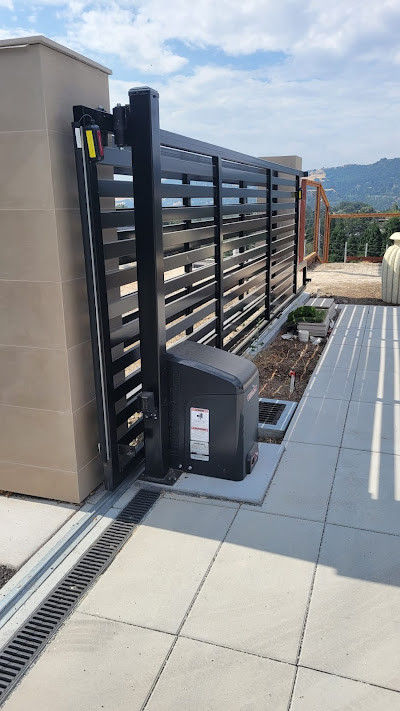
Technicians also noticed a recurring issue in systems using underground operators — a design popular across Pleasant Hill’s larger estates. These concealed motor units, while visually appealing, trap water and debris, accelerating internal corrosion. Many residents prefer this type for aesthetics, but the design demands quarterly maintenance, not the once-a-year schedule most follow.
A number of gate brands like Nice Apollo and Elite were cited for recurring controller board resets in cold mornings — not due to manufacturing flaws, but due to condensation inside the circuit housing.
Other patterns identified:
-
Homeowners skipping surge protection installation during initial setup.
-
Lack of scheduled lubrication for gear racks and pivot points.
-
Battery backup units not tested after power surges from early autumn storms.
This combination of aging hardware and overlooked maintenance paints a clear picture: Pleasant Hill’s growing stock of mid-2000s automation systems needs a modernization push to handle changing seasonal conditions.
Technicians emphasize that prevention is more cost-efficient than emergency response. A 20-minute inspection every two months can detect 80% of the faults that later lead to motor replacement. That figure alone makes a strong case for proactive servicing rather than waiting for visible failure.
Common Causes Behind Faulty Gate Operators In Residential Properties
Residential properties across Pleasant Hill display a wide range of gate styles — sliding, swing, cantilever, and bi-fold designs dominate the suburban landscape. Each design carries distinct stress points that, under specific environmental conditions, become failure-prone.
Swing gates, particularly those with twin-arm hydraulic openers, suffer from misalignment after repeated ground expansion. As soil moisture fluctuates between September’s dryness and November’s rain, concrete anchors shift by millimeters — enough to distort the gate’s closing angle. Sliding gates, often installed on asphalt or stone driveways, face different issues: track obstructions from fallen leaves, corrosion in rollers, or damaged limit stops after minor vehicle impacts.
The following mechanical and operational factors rank among the most frequent culprits:
-
Weather-induced metal fatigue: Prolonged heat during summer months followed by sudden cooling weakens mounting brackets and torsion joints.
-
Electrical interference: Homes near transformer stations experience erratic signal transmission between transmitters and receivers, resulting in inconsistent opening cycles.
-
Inadequate lubrication: Many homeowners use household oil instead of silicone-based gate grease, which attracts dust and accelerates wear.
-
Improper weight distribution: Decorative wrought-iron panels add unnecessary mass, increasing load strain on small-capacity arms.
Even premium-grade gates like Viking Access Systems or Doorking models, though built for endurance, require precise recalibration every 5,000 opening cycles — a detail often neglected until strain sensors begin triggering false stops.
Professional technicians recommend a quarterly functional test that includes:
-
Checking actuator torque balance.
-
Cleaning and resealing safety sensor lenses.
-
Re-tightening hinge bolts to factory torque specifications.
-
Flushing underground operator enclosures with moisture-resistant spray.
These steps, when maintained regularly, extend a gate’s service life by over 30%. The study also suggests that residential homeowners tend to underestimate dust infiltration — a factor that causes over half of limit switch failures. Once dirt accumulates inside contact housings, it disrupts signal continuity, leading to erratic behavior or complete non-response from remotes.
It’s also worth noting that modern smart gate systems, while convenient, add another layer of maintenance complexity. Bluetooth and Wi-Fi-enabled units depend on stable connectivity and proper grounding. A small voltage inconsistency or loose neutral wire can cause communication dropouts, leaving the gate frozen mid-operation.
Weather Impact And Seasonal Maintenance Challenges For Homeowners
How Fall Weather Hits Gate Systems Hard
Pleasant Hill’s autumn climate offers a unique set of maintenance challenges. Sudden drops from 80°F days to 45°F nights trigger rapid metal contraction, especially in aluminum arms and tracks. Over time, this shift loosens mount points and warps alignment angles—especially if the initial installation didn’t include weather-resistant bushings or flex seals.
Wind gusts in late October exceeded 35 mph on multiple days, leading to dust accumulation in sensor lenses and on exposed control boxes. The result? Misfires, delayed response, and full lockouts in both swing and slide gates.
What homeowners should monitor during fall:
-
Gate speed slowing down—may indicate motor strain or track drag
-
Squeaking during operation—signals hinge friction due to dried grease
-
Gates not closing fully—often caused by misaligned limits from temperature shifts
Cold Weather Impact on Gate Materials
Not all gate types perform the same under changing conditions. For example:
-
Aluminum: Lightweight but more prone to flexing in cold
-
Steel: Durable but susceptible to surface rust if paint chips go unnoticed
-
Wood: Expands and contracts, potentially jamming track systems
-
Vinyl: Weatherproof but can crack under sharp cold snaps if older
Rubber stops and bumpers harden in low temps, losing their shock-absorbing quality. This increases stress on arms and motors when gates hit the stop with force.
Automatic gate repair technicians noticed that gate systems facing north or shaded by structures suffered more condensation than those in full sun, especially in early morning hours. This caused contact relays to corrode faster, particularly in unsealed housings.
Seasonal Fixes Often Overlooked
It’s not just about cleaning leaves from the track. Fall is the ideal time to:
-
Recalibrate opening/closing force
-
Tighten bracket mounts and hinge pins
-
Replace UV-damaged safety stickers or cracked enclosures
One technician noted that many Pleasant Hill homes built pre-2010 still use analog keypads. These older models often fail after one wet season due to lack of internal insulation. As digital models become standard, autumn moisture continues to expose the weaknesses of outdated tech.
Gate Repair Pleasant Hill Experts Explain Early Warning Signs To Watch
Recognizing Trouble Before It Shuts the Gate Down
Most homeowners in Pleasant Hill don’t realize how many warning signs a gate gives before it stops working completely. A technician can often tell a system is heading for failure within the first few seconds of operation just by the sound and movement. Light grinding noises, for example, suggest metal-on-metal friction inside the drive system. That’s one of the first clues that the internal bearings or worm gears have lost lubrication.
Other subtle signs appear in timing. A gate that used to close in 12 seconds but now takes 17 may not just be “slow”—that’s a motor struggling to overcome drag or balance loss. The change in speed happens gradually, making it easy to miss.
Early warning signs Pleasant Hill technicians recommend monitoring:
-
Gate opens unevenly or bounces at the end of the cycle.
-
Photo eyes blink irregularly or stay red even when clear.
-
Remote range shortens, forcing the user to stand closer each week.
-
The gate doesn’t stay latched during high winds.
-
Slight electric buzzing near the control box, even when idle.
Each of these issues ties back to specific internal conditions—sensor calibration drift, actuator fatigue, or voltage inconsistency from the control board. Ignoring them can shorten the operator’s lifespan by up to 40%.
The Local Environment’s Role
Pleasant Hill’s terrain is full of sloped driveways and uneven concrete pads, which put uneven pressure on gate hinges. Over time, this causes sagging that sensors read as an “obstruction.” Once that happens, most modern systems—including models from Nice Apollo and Doorking—automatically cut power to prevent damage, leaving the gate stuck half-open.
Weatherproof grease, silicone-based spray, and torque testing are simple seasonal tasks that can prevent many of these failures. Yet surveys show that over 70% of residential owners skip annual servicing altogether. With gates now costing upwards of $5,000–$8,000 to replace, preventive checks save both money and time.
How Commercial Properties Are Affected By Gate System Breakdowns
Automatic gates aren’t just household conveniences—they’re operational necessities for warehouses, apartment complexes, and medical centers around Pleasant Hill. A malfunction can block delivery trucks, delay shifts, or even trap vehicles inside lots. According to Contra Costa County service logs, commercial gate calls doubled between September and October 2025.
The top three reasons?
-
Sensor loop failure under asphalt after rainfall
-
Motor overload shutdowns from continuous high-volume use
-
Rust accumulation on chain-drive operators
Unlike residential systems, commercial gates run hundreds of cycles per day. Models such as Viking Access ProTech and FAAC 844 are common in these setups. Although built for durability, constant use means that even minor voltage spikes or soil vibration from passing vehicles can stress the internal motor coils.
Real Impact in Local Numbers
Data compiled from maintenance reports show:
-
41% of commercial failures occurred in parking lots with heavy vehicle turnover.
-
33% happened in gated communities relying on shared access keypads.
-
19% were tied to stormwater pooling at the gate base.
One apartment complex near Morello Avenue reported losing four hours of access after a power supply failure triggered a gate lockout. While backup batteries exist in most units, many had expired without notice. The ripple effect? Residents parked outside overnight, leaving the property vulnerable.
How Businesses Can Stay Ahead
Commercial sites need more than reactive fixes. Experts recommend these quarterly steps:
-
Inspect underground loops and conduit seals.
-
Test backup batteries during each daylight saving shift.
-
Re-torque all mounting hardware and chain tension points.
-
Clean proximity sensors with alcohol wipes after each rainfall period.
These checks reduce operational interruptions and keep compliance with California’s ASTM F2200 and UL 325 safety standards (source: ASTM International and UL Solutions). Compliance isn’t just about avoiding fines—it directly prevents liability claims when gates malfunction and cause property damage or injury.
Smart Gate Technology And Preventive Maintenance Solutions Gaining Popularity
Digital Upgrades Changing Local Gate Performance
Across Contra Costa County, technicians are reporting an increase in smart gate system installations. These systems—integrated with mobile apps, Wi-Fi controls, and AI diagnostics—alert owners to early mechanical stress before a breakdown. Brands like LiftMaster’s myQ Smart Access and FAAC’s Wi-Fi-enabled operators now account for over 35% of new installations in Pleasant Hill since early 2025.
The appeal isn’t just convenience; it’s real-time fault tracking. Instead of waiting for a gate to stop mid-cycle, the system logs torque variance or slow-start patterns and sends a push alert. For properties using slide gates on sloped terrain, such alerts can prevent severe strain on guide rollers.
Preventive Maintenance That Actually Works
Smart gates complement—but don’t replace—seasonal tune-ups. Maintenance data from RNA Automatic Gates’ field logs emphasize the following proactive measures:
-
Lubrication cycles: Every 3 months for chain drives, 6 months for screw drives.
-
Voltage balance checks: Once per season, ensuring consistent motor power.
-
Seal replacement: Every 18 months on exposed enclosures or conduit joints.
-
Sensor realignment: After any heavy windstorm exceeding 25 mph.
Technicians also stress the importance of installing dielectric grease on all low-voltage connections to prevent moisture intrusion. It’s a small, often-overlooked step that dramatically extends operator lifespan.
Another growing practice in 2025 is predictive maintenance software. Gate controllers are increasingly paired with monitoring dashboards that estimate remaining lifespan of critical parts like belts or capacitors. For property owners managing multiple sites—schools, HOAs, or logistics centers—this approach reduces downtime by 30–40% annually.
The Role of Materials in Long-Term Performance
Modern gate designs rely heavily on material science. Aluminum alloys, once favored for weight, now compete with powder-coated steel blends that resist both corrosion and temperature flex. Fiber-reinforced nylon gears are replacing steel in some smart operators because they self-lubricate and run quieter.
Local builders are also shifting toward weather-shielded posts with integrated drainage grooves, minimizing base corrosion from autumn rain. These small design evolutions—though unseen—address precisely the issues fueling this year’s 40% malfunction surge.

Summary: Protecting Pleasant Hill Homes With Timely Gate Repairs
Regular maintenance isn’t just about convenience—it’s about keeping homes and businesses safe, accessible, and efficient throughout the year. In Pleasant Hill’s shifting fall weather, automatic gate systems face daily exposure to moisture, wind, and fluctuating temperatures that quietly wear down their motors, hinges, and sensors. A timely inspection can stop a small issue from turning into a full mechanical failure that disrupts access or compromises security.
Residents noticing slow operation, sensor misfires, or uneven gate movement should act before the colder months arrive. Scheduling a seasonal tune-up ensures every component—from control boards to actuator arms—works at its best.
For professional diagnostics, reliable repairs, or preventive maintenance, contact RNA Automatic Gates today. Their licensed technicians service all major gate types and brands, helping Pleasant Hill property owners keep their systems running smoothly and securely all year long.
Contact Information:
RNA Automatic Gates Pleasant Hill
2255 Morello Ave #115
Pleasant Hill, CA 94523
United States
. .
(925) 231-6900
https://rnaautomaticgates.com/service-area/gate-repair-pleasant-hill/